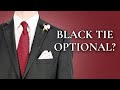
Black tie is one of the most misunderstood dress codes for men. Many assume it simply means wearing a dark suit, but black tie has very specific rules and traditions.
This complete guide explains exactly what black tie means, what to wear, and how to avoid common mistakes at formal events.
What Does Black Tie Mean?
Black tie is a formal evening dress code traditionally worn after 6 PM. It is most commonly required for galas, formal weddings, award ceremonies, and upscale social events.
Unlike business professional attire, black tie follows strict conventions rooted in classic menswear.
The Foundation of Black Tie: The Tuxedo
A tuxedo is the cornerstone of black tie attire. It is not interchangeable with a regular suit.
If you’re unsure about the difference, read Suit vs. Blazer vs. Tuxedo.
Tuxedo Jacket Features
- Satin or grosgrain lapels
- Peak or shawl lapel styles
- Single-button or double-button closure
Tuxedo Trousers
- Single satin stripe along the leg
- No belt loops
- Worn with suspenders or side adjusters
Black Tie Shirt Requirements
A proper black tie shirt is always white and made specifically for formal wear.
- Marcella or pique bib front
- French cuffs
- Wingtip or turndown collar
Shirt fit is crucial. Reference How a Suit Should Fit to ensure clean lines.
Bow Tie vs. Necktie for Black Tie
A black bow tie is mandatory for black tie events. A necktie is never appropriate.
Learn more about formal neckwear in Necktie vs. Bow Tie.
Self-Tie vs. Pre-Tied Bow Ties
- Self-tie bow ties look more elegant
- Pre-tied bow ties are acceptable but less refined
Black Tie Footwear
Shoes are often overlooked, but they are a critical part of black tie attire.
- Black patent leather Oxfords
- Highly polished calfskin Oxfords
- Optional velvet slippers (traditional events)
Avoid loafers or casual shoes. For shoe fundamentals, read Oxford vs. Derby vs. Loafer.
Essential Black Tie Accessories
Cummerbund or Waistcoat
A cummerbund or low-cut waistcoat is worn to cover the waistband of the trousers.
Learn waistcoat rules in What Is a Vest (Waistcoat)?.
Pocket Square
- White linen or silk
- Straight or presidential fold
Folding techniques are explained in The Art of the Pocket Square.
Other Accessories
- Studs and cufflinks
- Dress watch (optional)
- Black dress socks (silk or fine wool)
Black Tie vs. Black Tie Optional
These two dress codes are often confused.
| Dress Code | What It Means |
|---|---|
| Black Tie | Tuxedo required |
| Black Tie Optional | Tuxedo preferred, dark suit acceptable |
Common Black Tie Mistakes to Avoid
- Wearing a regular suit instead of a tuxedo
- Using a long necktie
- Skipping formal accessories
- Wearing brown or casual shoes
Quick Black Tie Checklist
- Tuxedo with satin lapels
- White formal shirt
- Black bow tie
- Black formal shoes
- Minimal, elegant accessories
Conclusion
Black tie dress code is about timeless elegance and respect for tradition. When followed correctly, it creates a sharp and confident appearance unmatched by any other style.
Disclaimer: Black tie traditions may vary slightly by region and event. Always follow specific event guidelines when provided.